A look at receding gums
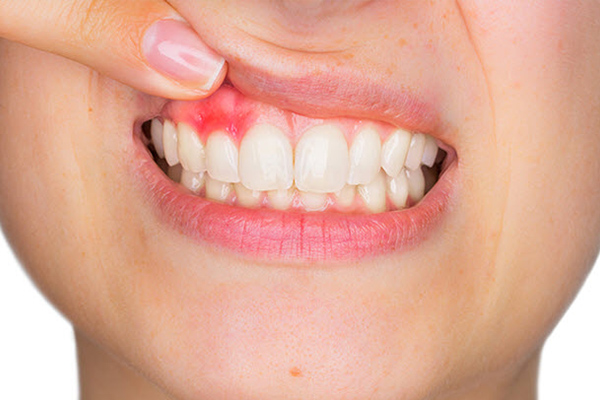
Receding gums refer to a condition where your gums pull away from the tooth surface. This exposes the root surfaces of your teeth. This is only one type of gum disease (periodontal). This can lead to tooth loss and is a serious result of poor oral hygiene. Many options are available depending on the severity and type of tissue loss. The better the outcome, the earlier you get diagnosed and treated.
Risk factors and causes
According to the California Dental Association, three-quarters of all adults suffer from periodontal disease. Receding gums are included.
Periodontal disease can be described as a progressive form of gum disease. The first sign of the periodontal disease is a buildup of bacteria and plaque between the gums and the teeth. Plaque that has remained on the teeth for a long time can cause damage to the gums, causing them to recede from the teeth. In extreme cases, pockets can form between the gums and teeth. This can lead to more bacteria and plaque formation.
Many factors can cause receding gums, including:
- Over the long-term, aggressive brushing
- Plaque buildup (tartar),
- smoking
- Hormonal changes in women
- Gum disease in the family
- diabetes
- HIV
A dry mouth can be caused by certain medications. This increases the risk of receding gums. A dry mouth is when your mouth produces less saliva than it should. Insufficient saliva can lead to dry mouth and other problems.
Recessive gum disease is most common in people 40 years old and older, according to the CDA. It is commonly misunderstood as an indication of aging. Recessive gums are more common in men than in women.
Recessive gums
Receding gums can be characterized by:
- After flossing or brushing, bleeding
- red, swollen gums
- Bad breath
- Pain at the gum line
- Visibly shrinking gums
- Exposed tooth roots
- Loose teeth
Diagnosis
A dentist can diagnose receding gums or other forms of periodontal diseases. An examination may be necessary to determine the cause of the problems. To measure the gum pockets, a probe can also be used. A probe is a tool that measures the depth of your gums using a very small and painless ruler. The National Institute of Dental and Craniofacial Research states that normal pocket sizes are between 1 and 3 millimeters. Gum disease is diagnosed when the pocket size is greater than 3 millimeters.
Receding gums can be referred to as a periodontist.
Treatment
Medications
A periodontist will determine the best treatment for your gum tissue and teeth. If there is an infection in the gums, antibiotics might be prescribed.
You may also need to take other medications to address the root cause of gum recession. There are many options:
- Topical antibiotic gel
- Antiseptic chips
- Antimicrobial mouthwash
- enzyme suppressants
Surgery
In severe cases of receding gums, surgery may be necessary. Two main options for treating receding gums are flap surgery or grafting.
Flap surgery can be used to clean the tissues if other treatments have failed. This procedure removes tartar and bacteria buildup in the gums. A periodontist is required to lift the gums, then put them back in their proper place after the surgery. Because the gums are closer to the teeth, flap surgery can make the teeth look longer.
The goal of grafting is to restore the gum tissue or bone. During the procedure, the periodontist may place a synthetic particle, a small piece of bone or tissue to encourage the gums to grow back. This process is not sustainable if you don’t take good care of your teeth.