
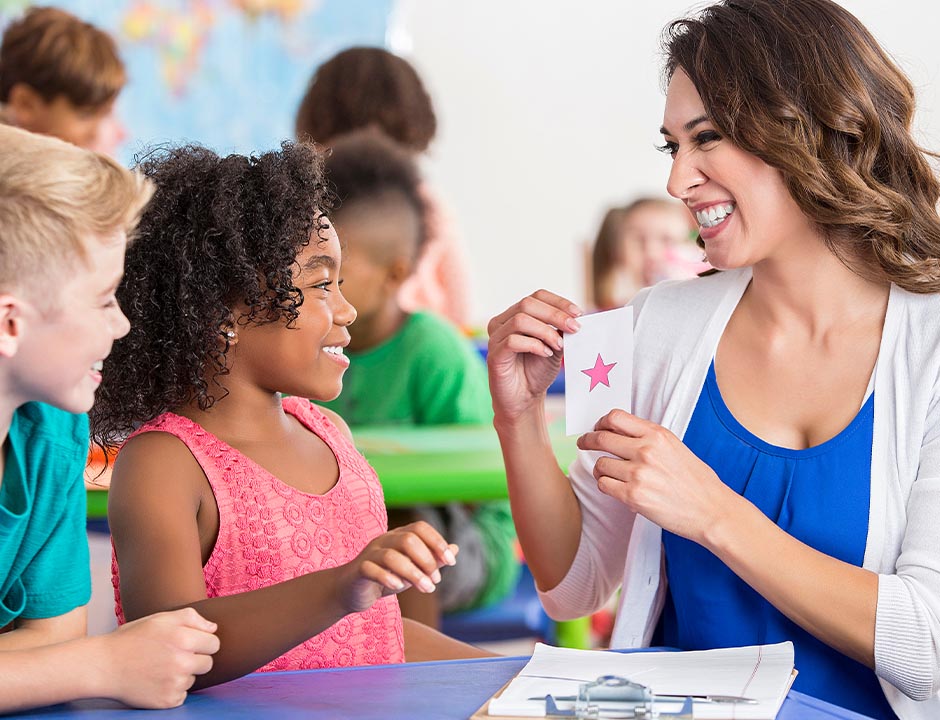
Childcare is among the core facets of healthy child development. Early childhood experiences are shaped by quality time spent within safe spaces, and these traits are then reinforced through activities and networks that help our future selves strive to uphold them. All elements of care play an important role in the development and welfare of children. Focusing on these essentials gives children the best start.
The Importance of Safety in Childcare
Safety remains the top priority in every childcare setting. Caregivers must assess environments thoroughly, removing hazards and maintaining secure surroundings. Protective measures, such as gates and outlet covers, help prevent accidents. Staff training in emergency procedures also builds confidence in families. Reliable Melbourne childcare guarantees supervision so kids can explore without unnecessary risk.
Well-Designed Environments Encourage Exploration
An uncluttered environment encourages inquisitiveness and self-sufficiency. An intelligent arrangement of furniture and materials encourages children to be on the go. Having designated zones for play helps children learn about boundaries and safe spaces. Age-appropriate toys and educational resources support the development of both motor skills and imagination. Keeping spaces clean and free of clutter tips towards comfort and safety.
Health and Hygiene Practices
Good health and being disease-free go beyond cleanliness. Germs are minimised with regular handwashing and as surfaces get disinfected. Needless to say, caregivers keep an eye on the children to watch for symptoms and act quickly to address any health issues they experience. Providing nutritious meals and snacks helps meet dietary needs and reinforces healthy habits. Building routines enhances comfort and stability in the minds of young people.
Learning Through Play
Learning through playful activities is an effective method. In group games or imaginative play, children develop social, cognitive, and physical skills. Story time and music playfully introduce language and rhythm. Children develop problem-solving and fine motor coordination with manipulative toys. To work things around the child, caregivers watch the play in tune it.
Promoting Social and Emotional Development
Children develop their approaches to friendship and cooperation through positive relationships. With a little direction, children can negotiate overlapping play and share resources. Caregivers who provide emotional reassurance create resilience and trust. Exploring art and talking about emotions helps kids to feel safe. Consistency in the form of routines and expectations makes children thrive with security and connectedness.
Qualified and Compassionate Caregivers
When you have a team that is knowledgeable and cares, it shows. Staff trained in child development know what each age needs. Caring adults model respectful communication and patience. When families receive consistent updates, trust in school and caregivers grows. Providing a framework for ongoing professional development to ensure caregivers of all levels are practising at the forefront of best practice.
Parental Involvement and Communication
Encouraging open conversation in a family and its child with special needs benefits everyone when parents feel supported. Parents regularly receive updates regarding meals, naps, and activities. Discussing progress and concerns is possible in scheduled meetings. Bringing in resources on development creates a partnership between the two in the development of this child. When there is open communication within the family, it builds trust and makes school-to-care transitions easygoing.
Support for Diverse Needs
All children benefit from an environment that is inclusive. Care settings need to accommodate all kinds of abilities and diversity and be respectful accordingly. They might include using special tools or one-on-one instruction and support. Embracing cultural variety adds enrichment to our daily routines and expands our horizons. Staff receive sensitivity training so that all children feel included and recognised.
Outdoor Play and Physical Activity
Spending time outdoors is beneficial for physical and mental health and wellness. Safe play areas allow children to run, climb, and explore nature. Getting outdoors can also increase energy levels and positive mood. There are also group games, which improve co-operation and sportsmanship. Daily physical activity helps develop lifelong healthy habits.
Laying the Groundwork for Success for Life
Early experiences in learning and relationships help create a subconscious attitude towards life. Childcare that nurtures fosters confidence, self-direction, and self-discipline. Kids who experience all those different types of learning will face fewer challenges down the line, both academically and socially. And the strength of those foundational years helps carry people through their lives. Quality care matters not only to individuals but to all of us as a society.
To Sum Up
When childcare is a safe, educational, and supportive environment, it opens doors for every child. Consideration of detail in every aspect of care encourages a conducive environment for healthy development. Through caring hands, engaged families, and supportive spaces, they develop in their earliest years. With these core needs as the focus, communities can create an environment in which children can grow and flourish throughout the present and future generations.


