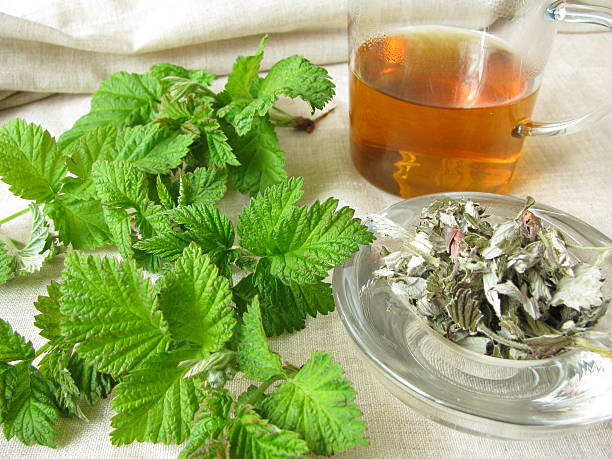
Red raspberry is native to Europe and some parts of Asia. It’s known for its sweet and nutritious berries.
Its leaves also contain many nutrients and are often used in herbal teas with medicinal properties.
Red raspberry leaves have been used for centuries to treat various ailments and induce labor during pregnancy.
This article discusses the benefits of red raspberry leaf during pregnancy, its safety, and its side effects.
Red raspberry leaf tea health benefits
The red raspberry leaf is rich in nutrients and may have several health benefits.
Antioxidants in a good source
The leaves of the red raspberry are rich in antioxidants.
They are particularly rich in antioxidants like ellagitannins, hydroxybenzoic acid, and anthocyanins.
Antioxidants help neutralize harmful radicals and can protect against chronic inflammation and disease.
The leaves also contain small amounts of ellagic acid, shown in test-tube studies to have anticancer effects.
Red raspberry leaves are a promising cancer-fighting plant. However, more research needs to be done.
Premenstrual syndrome symptoms may be reduced by using this product.
The benefits of red raspberry leaf tea for pregnant women are prevalent. It also appears to be beneficial for women who menstruate.
Some people use red raspberry leaf tea to treat PMS symptoms, such as nausea, diarrhea, cramping, and vomiting. Anecdotal data mainly support this.
Red raspberry leaf tea can help ease the pain of menstruation. However, more research is required, and no recommendations have been made on how much to drink.
Uses of during pregnancy
Midwives use Herbal Teas to treat some of the negative pregnancy symptoms and labor symptoms.
In an interesting study, 38% of pregnant women reported drinking red raspberry leaf tea while pregnant.
Red raspberry leaf tea can be a natural remedy for nausea and vomiting in early pregnancy.
Some claim that raspberry leaves tea can strengthen the uterus, improve labor outcomes, and prevent excessive bleeding following childbirth. However, more research is required.
It may help shorten labor.
Some people say that red raspberry leaf helps to shorten labor.
In one study, raspberry leaf tablets were not found to reduce the length of the first stage. Although it reduced the second labor stage by an average of 9.59 minutes, this was not statistically important.
A second older observational study found that women who consumed red raspberry leaf in the final stages of pregnancy experienced a shorter initial stage of labor. However, more high-quality research is required, as the difference was insignificant.
Reduce complications and interventions during childbirth.
Some evidence suggests that red raspberry leaf tea can help you to perform your work with fewer complications.
In an older study, people who consumed red raspberry leaf tea in later pregnancy used forceps less often and had fewer interventions. They also experienced a lower likelihood of having pre- or post-term labor. Keep in mind, however, that these results are not statistically significant.
Other older studies have also found that people who drank red raspberry leaf tea during the last eight weeks of pregnancy used forceps less, but this was not statistically significant.
Although more recent, high-quality research is required, more direct labor with fewer interventions can reduce the amount of blood loss in the state after delivery.
Dosage and side-effects
Most people can drink red raspberry leaf tea without any problems.
Side effects are usually mild. Nevertheless, it’s essential to consider them.
Some reports suggest that red raspberry leaf tea has laxative qualities, which could lead to stool loosening for some people.
Could you consult your doctor before using it? If you experience any side effects, such as spotting or Braxton-Hicks contractions while pregnant, discontinue its use.
Although there is no official recommendation for how much water you should consume, online sources suggest that you drink 1 cup (237 mL) of liquid per day in the first trimester and between 1-3 cups (235-710 mL/day) during the second and the third trimesters.