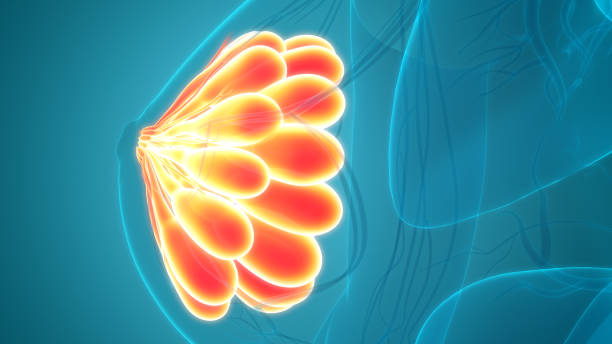
A blocked milk duct could be why you feel tender, small lumps in your breasts while breastfeeding. What is the cause of a blocked milk duct?
What causes a milk duct blockage?
Segments are formed by the glands, which produce milk from your breasts. It’s like an orange. The narrow tubes transporting milk from each piece to your nipple are called milk ducts.
A blocked milk duct can occur when one or more breast sections don’t drain correctly during a feeding. This can happen when your baby doesn’t take your breast into their mouth deep enough to feed properly. This could also occur if your baby wears a tongue tie.
If your breast tissue becomes irritated, a blocked milk tube can occur. It could be caused by a bra too tight, a seatbelt that crosses your breasts on long car trips, or an incontinence sleeping position that puts weight onto your breasts.
A blocked milk duct is a sign of trouble.
The area around the blocked milk duct can feel painful and challenging because it is blocking the milk duct. The breast may also feel redder or darker, warmer to the touch, and slightly tender. Your baby might be fussy if they feed on the blocked side of your milk duct. This is because they are getting your milk slower than usual.
A blocked milk duct should be cleared as soon as possible to avoid mastitis (inflammation in the breast).
Treatment for blocked milk ducts
These are some methods to clear a blocked duct. They also work well for engorgement or mastitis.
Continue to breastfeed
It is important to continue breastfeeding even if your duct has become blocked. This reduces the chance of the blockage causing mastitis. If you are considering quitting breastfeeding at this stage, clear the blockage and slowly stop.
The following are some other things you might try.
Before Feeding:
- Massage the breasts gently with your fingertips or palms of your hands. Pay attention to any lumps and sore spots.
When you are feeding:
- Feeding your baby from the side with the blocked drain is a good idea first. This will allow your baby to soften the breasts and clear the duct.
- Many women find it helpful to change their feeding position. A position where the baby’s chin is close to the blocked duct may be beneficial.
After Feeding:
- Breast compressions are a good option if your baby is having trouble falling asleep or not eating, as well as express milk.
- After feedings, apply a cool cloth or gel pack.
In general:
- If your breasts feel full, you may need to breastfeed or express more often. A blocked duct can become more likely to recur if there are long gaps between each feed.
- Although there have not been any studies, many women find that using an electric toothbrush can help to remove the blockage. According to some, the vibrations can be beneficial. A wide-tooth comb, or a tooth comb, can be used if you don’t have one. Rub the nipple with it. Some women find this very effective when they take a warm shower or bath.
- As much as you can.
- While breastfeeding, paracetamol, and ibuprofen can be taken. Talk to your pharmacist if you are taking any other medications. Breastfeeding women should not take aspirin.
If the lump persists after a few days or symptoms worsen (e.g., flu-like symptoms or a fever), see your doctor.
How to prevent breast ducts or milk clots
You can prevent blocked milk ducts by following these steps:
- Wear a properly-fitted bra. Wearing tight clothes or bras that are too tight can restrict milk ducts.
- Your baby should be in an influential position and have a deep latch. If you still need help after checking it, please seek support. Even a good latch can often be improved. A midwife or health professional should review a complete feed. You can also visit your local breastfeeding support groups to see a skilled supporter.
- Avoid long gaps between breastfeeding or expression.
Milk blisters or blebs
Sometimes, a blocked drain can be associated with a bleb on end or a blister at the nipple.
These blisters can look similar to friction blisters caused by wearing new shoes. These blisters are likely caused by your baby pressing down on their hard palate or rubbing the nipple. This blistering type can be treated with support to improve attachment and positioning.
Milk blisters, or blebs, look like a white patch on the nipple. They can be very painful and can sometimes cause bleeding. They are not known to be caused by anything. Although it is rare for blebs in the first few days after breastfeeding, they can occur if the baby does not attach well.
Sometimes milk blisters can look like a hardened plug. You can remove them by gently rubbing them with a flannel or a little oil. Sometimes, the milk behind the blockage may flow and appear thickened.
It can ease the bleb if a thin layer on the skin has blocked one of the nipple holes. This could increase your chance of getting infected, so don’t do it at home. Talk to your doctor to see if a sterilized needle can puncture the blister’s top or side. This will unblock the duct, allowing the milk to flow once again. Ensure that you clean the area during healing.
Mastitis symptoms
Mastitis can develop if the milk duct becomes blocked. Mastitis, which causes breast pain and inflammation, is a common condition. Mastitis is most common within the first three months of birth but can occur anytime.
Mastitis can be characterized by the following:
- Depending on your skin color, it can be red, red, or darker. It is usually on one breast and can feel hot or painful when touched.
- A lump in the breast or hardened area.
- Flu-like symptoms include aches, fever, chills, or tiredness.
- Radiating or burning pain in the breasts
- White or streaky bloody nipple discharge.