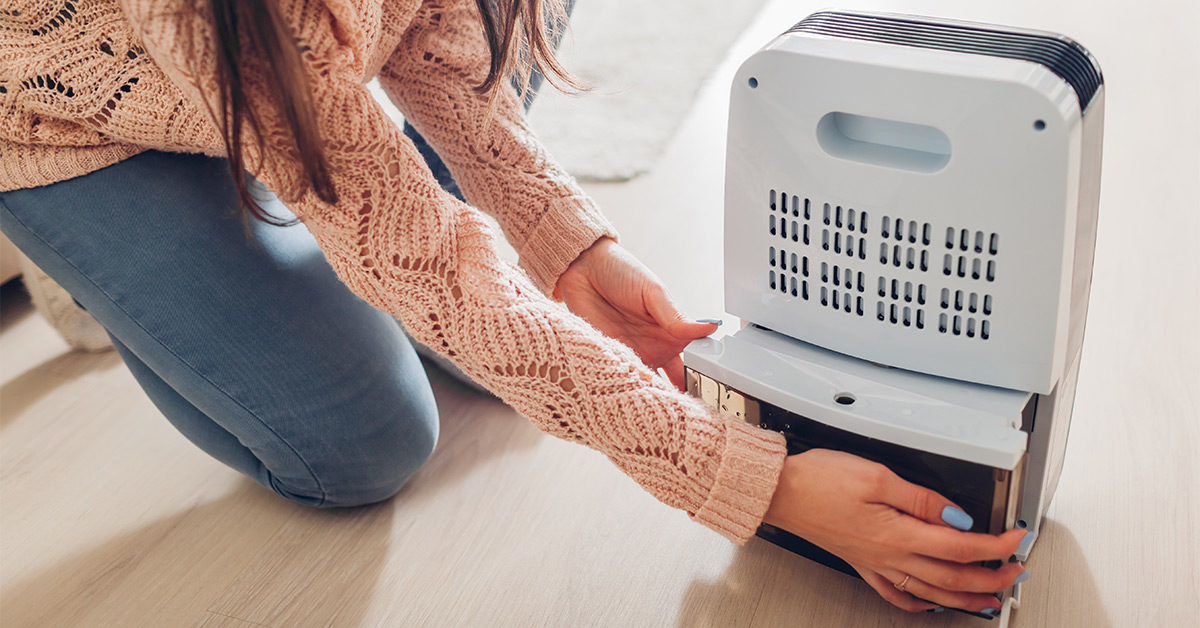
What does a dehumidifier do?
A dehumidifier can be an appliance that removes moisture from the air inside your home.
A dehumidifier may be helpful if you or someone in your family has asthma and allergies.
This article will help determine if a dehumidifier makes sense for your living space.
Health benefits and uses of the dehumidifier
The water cycle is something you may have learned in elementary school science. It involves evaporation and condensation. You might not know that the water cycle takes place in all the air you breathe, even though you aren’t spending much time indoors.
Humidity is the amount of water vapour in the atmosphere. This water vapour is removed or reduced by dehumidifiers.
Dehumidifiers can reduce allergy symptoms
Allergens from the environment can lead to symptoms such as:
- Wheezing
- Sneezing
- chest pain
- eye irritation
- Itching
These are some of the most common allergy triggers:
- Mould
- dust mites
- pollen
- animal dander
Keep triggers at a minimum by drying out your home.
To survive and reproduce, dust mites require a relative humidity level of 65%Trusted Source. A dehumidifier can easily control this level.
Mould growth can also be controlled by dehumidifying the atmosphere.
Dehumidifiers may help control asthma.
Moisture in the air can make it heavier and more difficult to breathe. People living with Asthma may find it difficult to breathe in high-humidity environments.
A dehumidifier makes it easier to inhale and exhale. The air becomes cooler and more comfortable, and there is no mugginess.
According to 2013 research, there is little evidence supporting the use of dehumidifiers as a treatment for chronic asthma. However, there is no evidence that they can cause adverse effects.
Dehumidifiers can help create a healthier environment.
You can also eliminate mould and dust from your home and other invaders such as cockroaches and spiders. People with COPD may also find lower humidity beneficial.
A dehumidifier is a great way to cool your home in humid areas.
Dehumidifiers work
The fan draws warm air currents through the coils of a dehumidifier. As the warm air is pushed through the machine’s refrigerated coils, it contracts and condenses inside.
This condensation builds up, dropping one droplet at a time. It then falls into a storage container attached to the humidifier. The other side of this machine releases cooler, dryer air into your home.
The relative humidity in your home should drop to 30 to 50%. A lot of dehumidifiers include a humidity meter. This allows you to adjust the humidity level to suit your needs.
Possible side effects of using a dehumidifier
The effectiveness of a dehumidifier may not be the same for everyone. You might experience side effects from using one in your home.
Air is made drier by dehumidifiers. A dehumidifier may not be necessary if you live in dry areas (such as deserts or high-altitude areas) or use electricity or gas to heat your home.
If the air is too dry, conditions like pneumonia could get worse.
If your home is dry, it can affect your skin and hair. Dry environments can cause flare-ups for people with eczema (atopic dermatology).
Signs that you might need a humidifier
Dehumidifiers are most effective in damp areas, such as basements. These are signs you might consider purchasing a dehumidifier:
- Everybody in the house has an allergy season that lasts year after year.
- Recently, you moved, and your allergies are worse or more frequent than before.
- A persistent damp smell is evident in an area of your house where you spend a lot of time.
- After heavy rain, your space may experience water leakage.
- When you enter your home, you will notice a muggy atmosphere. This is a sign that water vapour is present in the air.
- Everyone in the house has an allergy to dust mites.
- There has been an increase in pests such as silverfish, cockroaches and moths.
- Even after washing, clothes can still smell damp or mouldy.
- You are experiencing persistent symptoms such as a runny nose and cough.