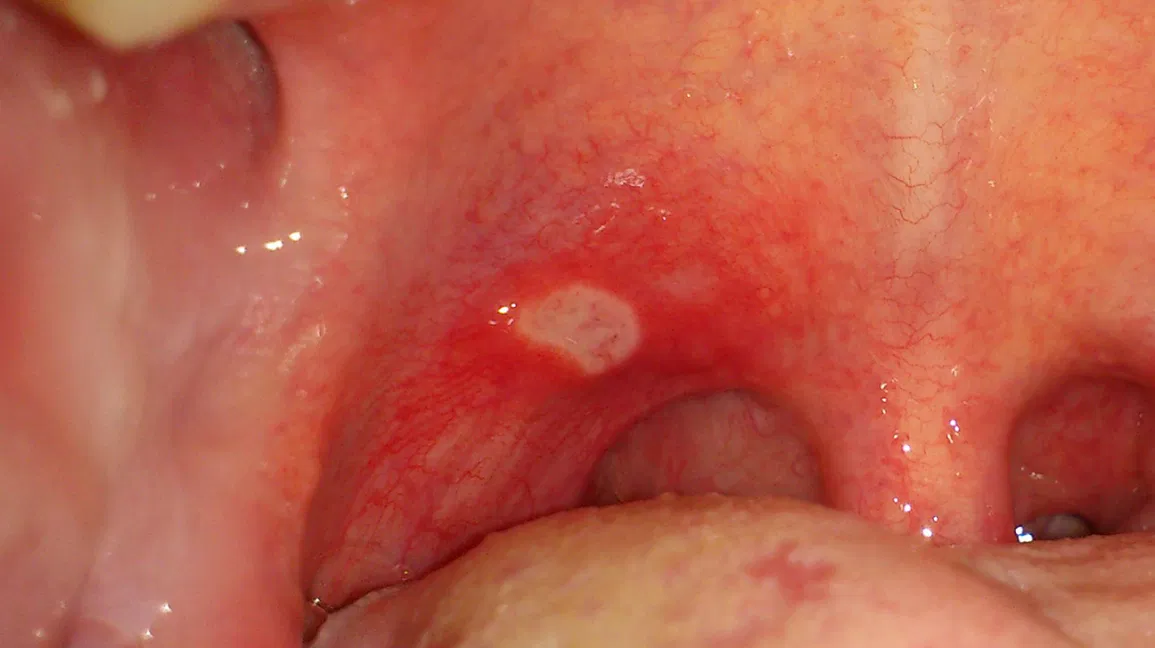
Throat Ulcers
Overview
Throat ulcers can be open sores in the throat. You can also get sores in your esophagus, the tube that connects your stomach to your throat — and your vocal cords. An injury to your throat or illness can cause a tear in the lining or cause a rupture of the mucous membrane.
Sometimes, throat sores may become reddened and swollen. These can make it difficult to eat or talk.
Causes
You can get a thrombotic stomach by:
- Radiation treatment and chemotherapy for cancer
- Infection with yeast, bacteria or a virus
- Oropharyngeal carcinoma is cancer of the throat area directly behind your mouth.
- Herpangina is a viral infection that affects children and causes sores in the throat, back, and mouth.
- Behcet syndrome is a condition that causes inflammation of the skin and lining of your mouth and other areas of the body.
It is possible to get esophageal ulcers from:
- Gastroesophageal Reflux Disease (GERD) is regularly characterized by acid backflow from your stomach into your esophagus.
- An infection of your esophagus by viruses like herpes virus (HSV), human immunodeficiency viral (HIV), Human Papillomavirus (HPV), and cytomegalovirus(CMV).
- Certain medicines and alcohol can cause irritations.
- Radiation or chemotherapy for cancer
- excessive vomiting
Vocal cord ulcers, also known as granulomas, can be caused by:
- Excessive singing or talking can cause irritation
- Gastric reflux
- Multiple upper respiratory infections
- An endotracheal tube is inserted into your throat to aid you in breathing during surgery.
Symptoms
These symptoms may be present in combination with throat ulcers. If so, see your doctor.
- mouth sores
- Trouble swallowing
- Your throat may have white or red spots
- Fièvre
- Pain in your throat or mouth
- There is a lump in your neck
- Bad breath
- Is trouble moving your jaw?
- heartburn
- chest pain
Treatment
The cause of the throat ulcers will determine which treatment your doctor recommends. Your treatment might include:
- Your doctor may prescribe antibiotics or antifungals to treat yeast or bacterial infection.
- To relieve the discomfort caused by ulcers, pain relievers like Tylenol (acetaminophen) can be used.
- Use medicated rinses for pain relief and healing.
You might need to take the following medications to treat an esophageal or gastric ulcer.
- undefined
- Antiviral or antibiotic medicines are used to treat infections
Vocal cord ulcers can be treated with:
- resting your voice
- Vocal therapy
- Treating GERD
- If other treatments are unsuccessful, surgery is an option.
These home remedies can be used to relieve the pain of sore throats:
- Avoid spicy, hot and acidic foods. These foods can cause sores to flare up even more.
- Avoid medications that can irritate your throat like aspirin (Bufferin), Motrin IB (Advil), and ibuprofen [Advil, Motrin IIB], as well as alendronic acid (“Fosamax”).
- To soothe sores, drink cold fluids or suck on something like ice chips, popsicles, or other cold liquids.
- Drink more fluids throughout the day, especially water.
- Ask your doctor if you should use a numbing spray or medication to ease throat pain.
- Warm salt water or a mixture of salt, water and baking soda can be used to gargle.
- Avoid smoking tobacco and alcohol. These substances can also irritate.