What you need to know about myotherapy ?
Myotherapy, a non-invasive therapy, can help you treat Pain from injuries or problems with your muscles and soft tissue.
Myotherapists employ massage and other techniques shared with osteopaths to relieve muscular tension and decrease Pain.
According to the International Myotherapy Association, Bonnie Prudden said that myotherapy was first developed in 1976. It was based on the techniques of Dr. Janet Travell, who was, in particular, John F. Kennedy’s doctor, and Dr. Hans Kraus.
This article will explain how myotherapy works and the conditions it might help.
What’s myotherapy?
Myotherapy, also known as medical or sports massage, is an advanced form of remedial massage. Myotherapy uses trigger point release, as well as a variety of other techniques, to alleviate muscle and myofascial discomfort.
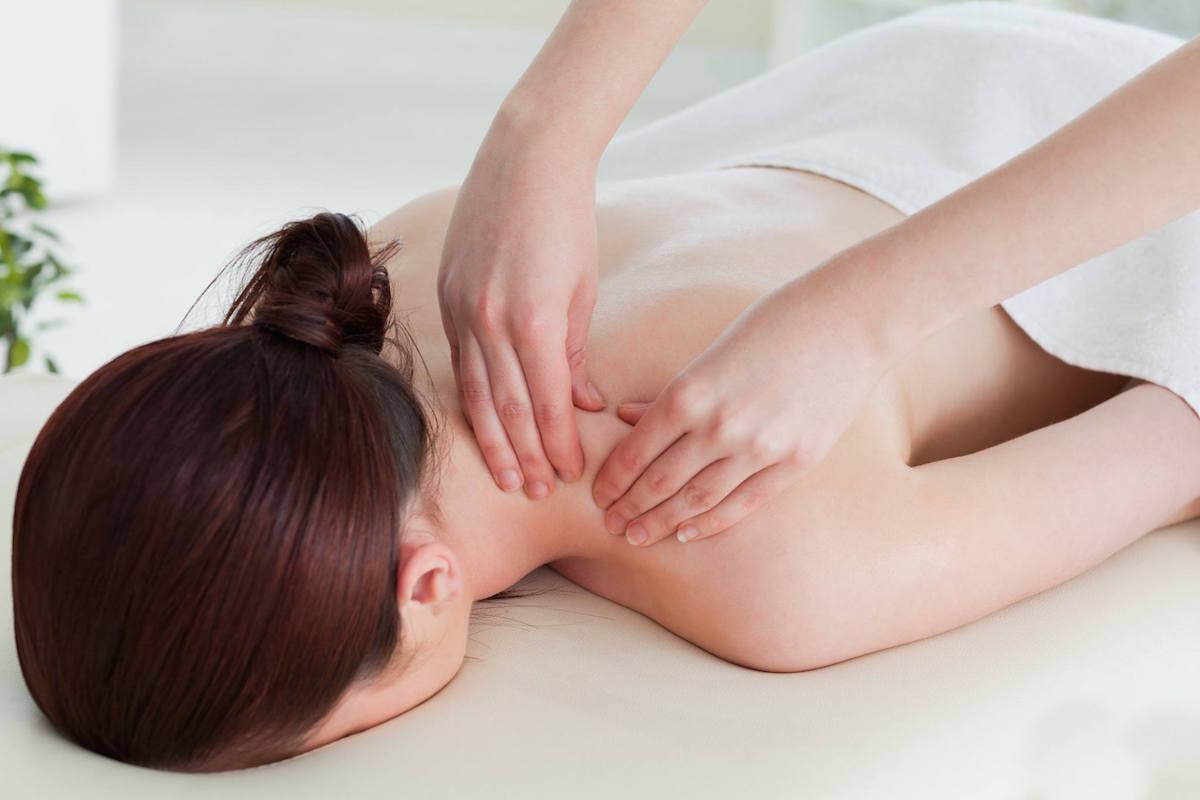
Trigger points are areas where tight muscle fibers become sensitive. They usually form from injury or overuse. A myotherapist uses special massage techniques to relieve tension in these areas. They use their fingers, elbows and knuckles.
Since the 1990s, the medical community has accepted the idea that Pain can come from a muscle. Recent evidence shows that Pain can originate in the muscle.
Sometimes, an injury or malfunction of a muscle may lead to referred Pain in a neighboring area.
What are the advantages?
Myotherapy is still a new specialty, and there’s not much research on its effectiveness. It is a highly specialized remedial massage form and could offer similar or identical benefits.
In 2013, the Institute of Registered Myotherapists of Australia did a literature search. This review suggests that remedial massage might be a good option:
- Improve chronic low back pain
- Reduce delayed-onset muscle soreness
- Stress and anxiety can be reduced.
- Patients with terminal illnesses like cancer and multiple Sclerosis will experience a greater quality of life and a higher level of well-being.
- Combined with other treatments, it can help with the pain management of Fibromyalgia.
According to the Institute of Registered Myotherapists of Australia, there has been evidence over the past 10 years that suggests that treatment of painful trigger points can help to improve muscle movement and aid muscle contractions.
When does myotherapy need to be done?
Myotherapy can be used to treat many conditions that affect your muscles and soft tissue.
Myotherapy may be beneficial for the following conditions:
- sprains
- Some types of Joint Pain
- Back pain
- Poor posture Causes Pain
- Cervicogenic Headaches
- Sports injuries
- overuse injuries
A 2014 review showed that massage could help with fibromyalgia pain relief, anxiety and depression when used in conjunction with traditional therapies. The authors cautioned that further large-scale research is needed to explore the effects of massage.
What is the difference between physical therapy and?
Many similarities exist between myotherapy and physical therapy. Both therapies employ techniques like stretching and massage to reduce pain and improve mobility.
Myotherapy, a special type of remedial massage that focuses on treating muscular Pain, is known as myotherapy.
Physical therapists can help patients regain mobility and strength after injury or surgery.
What should you expect after myotherapy?
Your myotherapist will assess your medical history and ask about your symptoms during your first visit. You may also be asked about:
- Any medications that you are currently taking
- your prior illnesses
- Any surgeries you have had
- Whether you are a participant in any sport
- your occupation
- your accident history
Your myotherapist will take your medical history and examine the area to determine the source of the Pain.
They may also use the following techniques to treat their condition:
- Dry needling
- trigger point therapy
- transcutaneous electrical nerve stimulation (TENS)
- Cold or hot therapy
- passive stretching
- massage
- ultrasound
Your myotherapist may refer you to another professional if they don’t think muscular problems cause your Pain.