Hooded eyes can be expected and quite common. One hooded eye could be your only, or both. If they are concerned about their hooded eyes, many options are available. Here’s the information you need to know about eyelid surgery to fix hooded eyes.
What are Hooded Eyes?
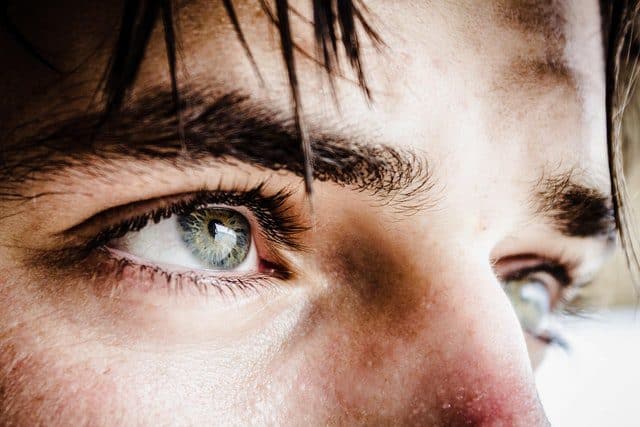
You may have hooded or squinted eyes. This could indicate that your skin is too thick and hanging above the crease. Hooded eyebrows are when the skin below your brow touches or gets close to your lash line. Hooded eyes are a common trait in most people. They can develop over time or be born naturally. It is a standard, natural shape of the eyelids. Hooded eyes aren’t considered signs of aging and are not necessarily dangerous. If you wish, however, you can take steps to reduce hooded eyelids.
Eyelid surgery is becoming more popular. Hooded eyes can be a sign that your mascara and eyeliner are leaving traces on the brow line or disappearing into the creases of your eye, which could indicate that you have a hooded vision.
Hooded eyes and droopy eyelids are two different things. Droopy eyes are when an eyelid affects a person’s vision. Hooded eyes, on the other hand, are more common in older people or due to hereditary factors. Although they are sometimes used interchangeably, they are distinct. It’s not something that you should fix. Many celebrities have hooded their eyes. It is a personal decision.
What causes hooded eyes?
Many physical attributes are determined by genetics, including our eyesight. The likelihood of developing hooded eyes increases if you have a close relative or parent with hooded vision. Hooded eyes can be caused by natural aging for most people. The muscles supporting the eyebrows lose their tone as we age and start to sag. The eyebrows continue drooping and press down on the fat- and soft tissue around the eye sockets, creating a hooded effect that covers one or both eyelids. Trauma can cause hooded eyelids.
How to get rid of hooded eyes
When researching ways to fix hooded vision, you will likely have come across eyelid tape and makeup techniques to remove hooded eyes. However, there are many ways to alter the shape of your eyes temporarily, and the best and most lasting results are achieved by eyelid surgery.
The procedure is also called Blepharoplasty. It can remove hooded eyes. This procedure can remove excess fat and skin from the eyelids. Your surgeon will make a small incision on the eyelid to remove excess skin and fat. You can have the surgery under local or general anesthesia.
Surgery can be performed for those suffering from severe or moderate eyelid sagging. The surgery to remove the eyelids is called a surgical procedure. It is a surgical procedure that can be used to treat hooded eyelids. The results often last around ten years, significantly more than non-surgical treatments.
Eyelid surgery is performed to correct hooded eyelids. To improve sagging and hooded eyelids, the procedure targets the upper lid. Double eyelid surgery is an option if you have additional concerns about the eye area. This procedure targets both the upper and the lower eyelids.
According to the latest statistics, Blepharoplasty is a popular cosmetic procedure in the UK. Local anesthesia is used for Blepharoplasty. Depending on the required work, it can take between 30 and 60 minutes.
The doctor will make an incision along your natural creases to fix the upper eyelids. After the incision, the doctor will remove excess skin and fat. To enhance the crease of the lids, the surgeon may remove a small amount of the muscle called the orbicularis Oculi.
If you require surgery, the surgeon will make an incision on the inside or below the lower eyelids. Depending on the procedure, the surgeon may remove excess skin or fat from the lower eyelids. Excess fat may be redistributed by the doctor rather than removed. The doctor will then close the incisions using skin adhesives, surgical tape, or removable sutures.
Who is a good candidate for hooded eye surgery?
If you have excess skin on the upper eyelids, you are a candidate for eyelid surgery. Excess skin can cause visual distortions, such as heavy eyelids or chronic tension headaches. Droopy and hooded eyes can give you a tired, sleepy appearance. Candidates for eyelid surgery who are healthy and not smokers are usually suitable.
Eyelid Surgery for Hooded Eyes: The Benefits
Eyelid surgery may target the upper or lower eyelids or both. Hooded eyes are more common in the upper eyelid area. Lower eyelid surgery may be an option if you have eye bags or puffiness. Patients can have one or both of these procedures at once. Combining the two methods can be beneficial because you only need one system and one recovery period.
Eyelid surgery has many vital benefits, including:
- Scarring is minimal
- You look more youthful
- Increase self-confidence and self-esteem
- Long-term improvements and better results
- Correct visual impairments
Exercising excess skin and tissue and tightening your eyes can make a big difference in your appearance. This can help you appear younger and less tired. Hooded eyes are normal. Some people love how they look. Others would rather have them gone. It all comes down to personal preference.
The eyelid surgery procedure is likely to take less time than you think. The entire process takes approximately 45 minutes and is painless. You can manage discomfort with over-the-counter painkillers or eye ointment your doctor prescribes.
What can you expect after hooded eyelid surgery?
Correcting hooded eyelids can help reduce the signs of aging and give you a youthful, refreshed appearance. Although most changes can be seen immediately following surgery, waiting 12 weeks before seeing the full effects is best. All swelling should subside by then. The first week is crucial. Your doctor may ask you to use ointment, ice packs, and eyedrops to treat the wound. You might also need to take antibiotics.
During the first week, stay at home. Wear quality sunglasses if you plan to go out.
It may take up to 2 weeks for swelling and bruising to subside. After 5 to 7 days, the sutures will be removed. After the surgery, you can begin scarring treatment two weeks later. The good news? Your eyelid scars heal quickly.
Silicone Gel is a great option, but it won’t cause any irritation to your eyes. After surgery, contact lenses can be worn for up to six weeks. After 4 to 6 weeks, you can return to normal activities. Everyday activities are possible after eight weeks.
What are the potential risks and complications of eyelid surgery?
Most eyelid surgery is well tolerated. It is usual for there to be some swelling around the incision. They will eventually disappear on their own. However, rare complications can include infection, blurred vision, granuloma, and adverse reactions to anesthesia. A temporary shift in the distribution of tears can cause irritation and dryness. Blepharoplasty scars are often well-concealed and disappear over time.