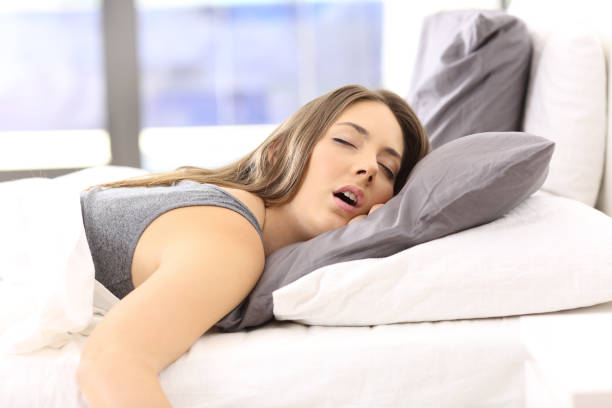
Experts agree that not getting enough sleep is bad. This can affect your heart, immune system, and weight-loss efforts. It is vital to get enough sleep, but it is also important to sleep well in all phases of the sleep cycle, especially deep sleep.
What is deep sleep?
People sleep in cycles. Most people go through 4 to 6 sleep cycles per night. There are two major stages of sleep before you can reach REM sleep. This is the stage where you start to dream.
- Light sleep: This phase comprises two phases, N1 & N2, where you fall asleep but can wake up more quickly.
- Deep sleep: This is the type that your body requires to feel rested and awake in the morning. Deep sleep can cause you to feel tired and dizzy when you first wake up from deep sleep.
Dr Christopher Winter explains that deep sleep is 25% of our entire night. The majority of this happens in cycles in the first half of the evening. W. Christopher Winter is the president of Charlottesville Neurology and Sleep Medicine. Deep sleep can also be called slow-wave because it creates large, slow waves when you look at EEG brain waves. This indicates that there is minimal brain activity.
While all phases of sleep are important for our health and well-being, deep sleep is the most crucial. “DEEP sleep is when your body is in repair mode. It releases growth hormone, repairs damaged tissue, and consolidates memory.” Dan Ford, a behavioural psychologist at The Better Sleep Clinic, says.
Winter says that most people require between 1 and 2 hours of deep sleep each night. According to Frida Rangetell, PhD, a sleep expert, it also depends on how many hours we’ve slept the night before, Winter notes. The deeper we sleep the next night, the longer we remain awake at night.
As we age, the amount of deep sleep we get changes. It tends to decrease as we age. Rangtell states that deep sleep is less common in men than in women. “However it is not known if deep sleep needs or the ability to keep deep sleep are affected by age.
3 SIGNS YOU’RE NOT Getting Enough Deep Sleep
Experts suggest these signs to look out for. These signs could indicate that you aren’t getting enough deep sleep or just not getting enough overall.
1. YOU ARE NOT SEEING FITNESS GAIN, AND YOU ARE NOT RELAXING FROM WORKOUTS
Winter states that deep sleep is crucial for athletic recovery. “Deep sleep is essential for growth hormone production. If you don’t get enough, it means you aren’t making growth hormones. You might have a harder time recovering from athletics if you don’t get enough.
Ford states that deep sleep is also important for the consolidation of motor memory, leading to better coordination. If you are not seeing progress in your training, it may indicate that you aren’t getting enough sleep at night. Your body will respond to more deep sleep if you work out hard. “No sleep = no gains” – This is basically what it means. If you feel sorer and pain than usual, your body may not be adequately healing from the deep sleep phases.
2. DURING THE DAY, YOU FEEL SLEEPY AND GRUMPY
It can indicate a lack of sleep and a sign that you are not getting enough. Ford states that you will feel tired throughout the day and may be more susceptible to accidents and other sleep-related health problems such as high blood pressure, cardiovascular problems, metabolic disorders, and so forth.
3. YOU GET TO REMAKE A LOT
“If you wake up several times per night, it will shorten your deep sleep. You’ll need to get to the front of the line’ to pass through stages N1 and N2 before getting back to deep sleep (N3),” says Max Kerr, a Sleep Better Austin expert in dental sleep.
8 WAYS TO GET MORE DEEP SLEEP
1. GET ENOUGH SLEEP OVERALL
This is the best thing you can do for your deep sleep. Dr Winter states that reducing total sleep can harm deep sleep. This is especially true if you go to bed earlier than usual. While most people require 7-9 hours per night, individual sleep requirements may vary.
2. SKIP DEPRESSANTS AND STIMULANTS
Experts agree that stimulants and depressants such as caffeine, nicotine, alcohol, and cannabis can have a detrimental effect on your sleep quality and ability to fall asleep deep enough. Winter says that even though you might believe that any stimulant or depressant will help with deep sleep, quality sleep and sedation do not exist.
3. STAY ACTIVE
Ford states that deep sleep can be achieved by keeping the mind and body active through exercise, complex, engaging work, and social interactions.
4. Only use your bed for sleep
“As many people work from home, it can be easy to curl up in bed during the night, but this can cause sleep problems,” states Ginger Houghton, a licensed social worker. If you are awake for longer than 20 minutes, get up and leave the bed. Find something low-key to do until you feel sleepy. Then, go back to bed.
5. SKIP NAPS, OR TAKE THEM EARLY
The amount of sleep your body needs to rest is called the “sleep pressure”. Rangtell states that a lower sleep pressure can decrease deep sleep and make it harder for people to fall asleep at regular bedtimes. ” A nap taken close to bedtime can lower our sleep pressure, making it harder to fall asleep. She suggests that you consider the timing of your naps and when they are scheduled.
6. Go to bed earlier
Increase your sleep hours before midnight to get deeper sleep. Ford states that if you are a regular sleeper and have no trouble falling asleep or staying asleep, you might consider going to bed earlier to test the effects on pain, inflammation, and recovery.
7. Be careful with the media you consume
Kerr states that listening to the morning news about the virus could be detrimental and cause your mind to race throughout the night. You can choose to watch lighter, more entertaining shows later in the day and minimize screen exposure one hour before bedtime.
8. DON’T STRESS ABOUT A FEW BAD NIGHTS
Rangtell points out that “just as we can have a bad night, everyone has bad nights sometimes.” Rangtell notes that although we might feel tired the next day, it is more common to recover from bad nights with fewer nights of sleep.